How Premium Merchandise Can Make Your University Feel Premium
In an increasingly competitive global education landscape, perception often shapes preference. For universities seeking to attract and retain top-tier students, faculty, and collaborators, the brand experience isn’t confined to websites and brochures; it lives in every touchpoint. Among the most underestimated but powerful of these is merchandise.
Premium merchandise, when done thoughtfully, can reinforce a university’s values, sharpen its brand identity, and foster a deep sense of belonging. It’s not just swag. It’s a strategy.
Merchandise as Brand Infrastructure
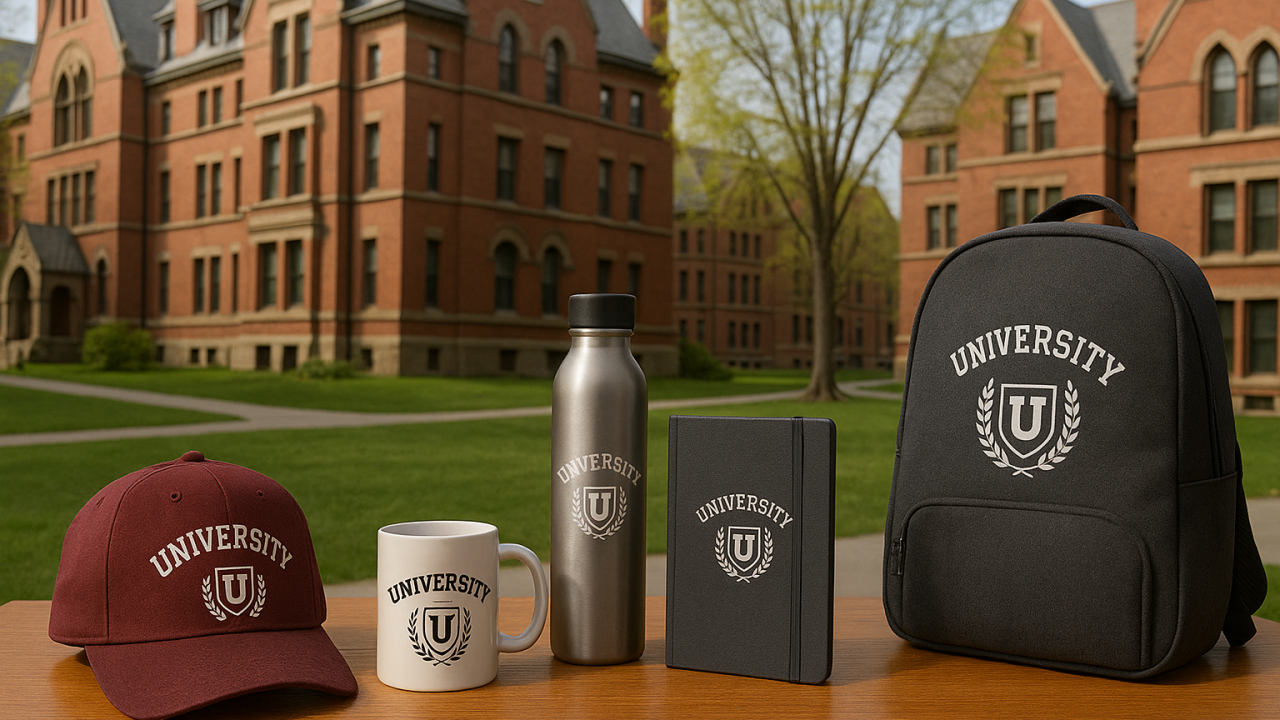
Universities often speak about brand equity, but many fail to translate that ethos into tactile experiences. While digital assets shape first impressions, it’s physical objects, such as hoodies, journals, kits, and tote bags that build emotional texture. They turn abstract values into lived symbols.
The problem isn’t the lack of intent. Most institutions know the value of branded merchandise. The issue lies in execution. Across campuses, you’ll find a mishmash of vendor-sourced items, often generic, environmentally insensitive, or inconsistent in design. The result? Diluted brand messaging and missed emotional opportunities.
Merchandise as Meaning-Maker
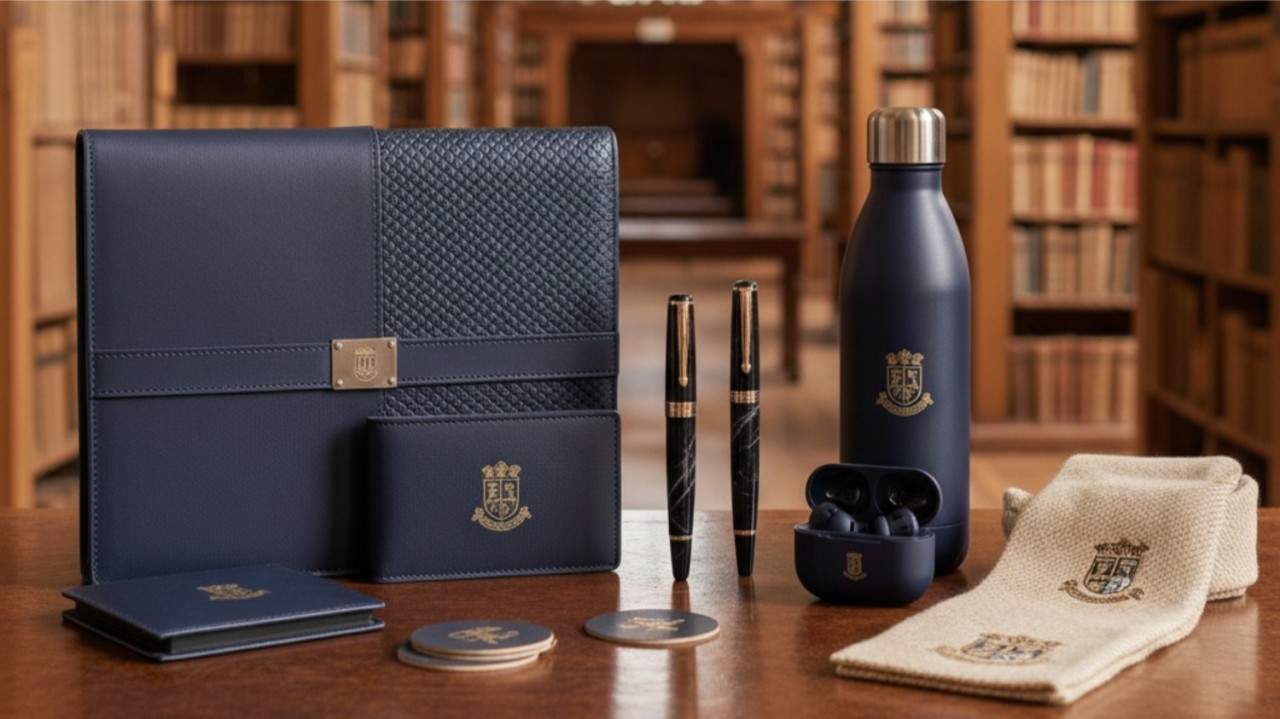
There’s a reason a single t-shirt can become a memory trigger. Well-designed merchandise isn’t about logos slapped onto objects; it’s about creating meaning. When a student receives an admit kit that feels personal, well-crafted, and aligned with the university’s voice, it doesn’t just say “You’re in.” It says, “You belong.”
This distinction is critical in student decision-making. Especially for international students, a premium touchpoint in the mail can anchor a choice, turning a faceless digital interaction into a human invitation. During the 2021 pandemic, the University of Brighton demonstrated this impact. Facing enrollment uncertainties and disrupted logistics, they sent emotionally resonant offer-holder kits worldwide. The result? Not just higher conversion, but genuine student delight.
What Counts as Premium and Why That Matters
“Premium” is often misunderstood. It doesn’t mean expensive. It means intentional.
- Material quality that aligns with values (e.g., organic cotton, FSC-certified paper).
- Design consistency that respects brand guidelines and aesthetics.
- Tactile and functional appeal – items that aren’t just decorative, but meaningful and useful.
- Packaging and presentation that show care, not just cost.
When merchandise is curated with these filters, it signals the university’s attention to detail, its respect for the recipient, and its pride in its own brand.
Strategic Applications Across the University Lifecycle
Premium merchandise has functional value across the university journey:
- Admissions & Recruitment: Admit kits, welcome boxes, pre-departure packages.
- Onboarding: Orientation kits, departmental merchandise, branded tools and resources.
- Events & Engagement: Convocation mementos, alumni swags, conference kits.
- Faculty & Staff Recognition: Thoughtful merchandise reinforces internal culture and loyalty.
- International Outreach: Kits tailored for diverse geographies ensure consistent messaging across borders.
Each of these touchpoints can be elevated or flattened based on how merchandise is handled. It’s not about quantity, but quality, consistency, and relevance.
The Hidden Cost of Poor Execution
Universities often decentralize merchandise procurement across departments. The result is fragmented sourcing, unpredictable quality, and procurement fatigue. Beyond aesthetics, there’s a bigger risk: brand dilution.
Consider a global institution that saw its iconic red shade reproduced in varying hues across continents due to uncoordinated printing. Marketing consistency crumbled. Centralizing merchandise with precise specifications and controlled distribution helped restore its brand clarity and saved over 40% in operations cost.
In a sector where reputational equity is everything, such operational misalignments become strategic liabilities.
Merchandise, Sustainability, and the Next Generation
Today’s students care about sustainability not just in rhetoric but in execution. Gifting them plastic-heavy, poorly sourced merchandise can erode trust before it’s even built.
Sustainable merchandise isn’t a compromise; it’s a brand imperative. Biodegradable packaging, ethically sourced materials, low-carbon logistics these are no longer “nice-to-haves.” They are foundational to building credibility with an increasingly climate-conscious generation.
One global pharmaceutical brand recalibrated its entire gifting program around sustainability. The result wasn’t just lower emissions; it was better stakeholder alignment and enhanced perception as an environmentally responsible leader.
Conclusion: Merchandise as Strategic Communication
Premium merchandise is not an afterthought. It is an underleveraged lever in a university’s strategic communication toolkit. It has the power to:
- Build emotional bonds before campus entry.
- Reinforce institutional values through touch and design.
- Deliver brand consistency across borders and audiences.
- Signal excellence through form and function.
For universities seeking to stand out not just academically but experientially merchandise is not about gifting. It’s about identity, intent, and influence. At Hue, we understand that merchandise is more than material – it’s a message. With over 15 years of marcom experience, we’ve helped universities across the globe craft moments that resonate, convert, and connect. Whether it’s an offer-holder kit that boosts enrollments or alumni swags that strengthen community, our approach is rooted in strategic alignment, not just sourcing. From sustainable materials to culturally aware design, we ensure every item reflects your institution’s identity, intent, and global ambition.