If there is one truth every leader eventually realises, it is this: businesses do not grow. People do. Strategies, systems, and tools matter, but behind every achievement is someone who showed up with intent, effort, and heart.
And the simplest way to strengthen that intent is appreciation.
Over the last few years, employee appreciation has shifted from being a feel-good gesture to becoming a genuine cultural pillar. Not because organisations suddenly became sentimental, but because the evidence and the everyday experience of work both point in the same direction. Appreciation drives performance. Recognition builds belonging. And gifting, when done thoughtfully, becomes a tangible expression of both.
Employees today want more than compensation or benefits. They want to feel consistently and sincerely valued. And gifting, when approached with intent, plays a bigger role in shaping that feeling than most leaders realise.
Why Appreciation Still Matters
Think about the last time someone genuinely acknowledged your effort. Not a rushed thank you or a copied message, but a moment where your contribution was truly recognised. You likely still remember how it made you feel.
Employees experience the same.
Appreciation improves morale. It strengthens emotional connection. It reduces burnout and boosts loyalty. It encourages the kind of discretionary effort that cannot be demanded but naturally appears when people feel seen.
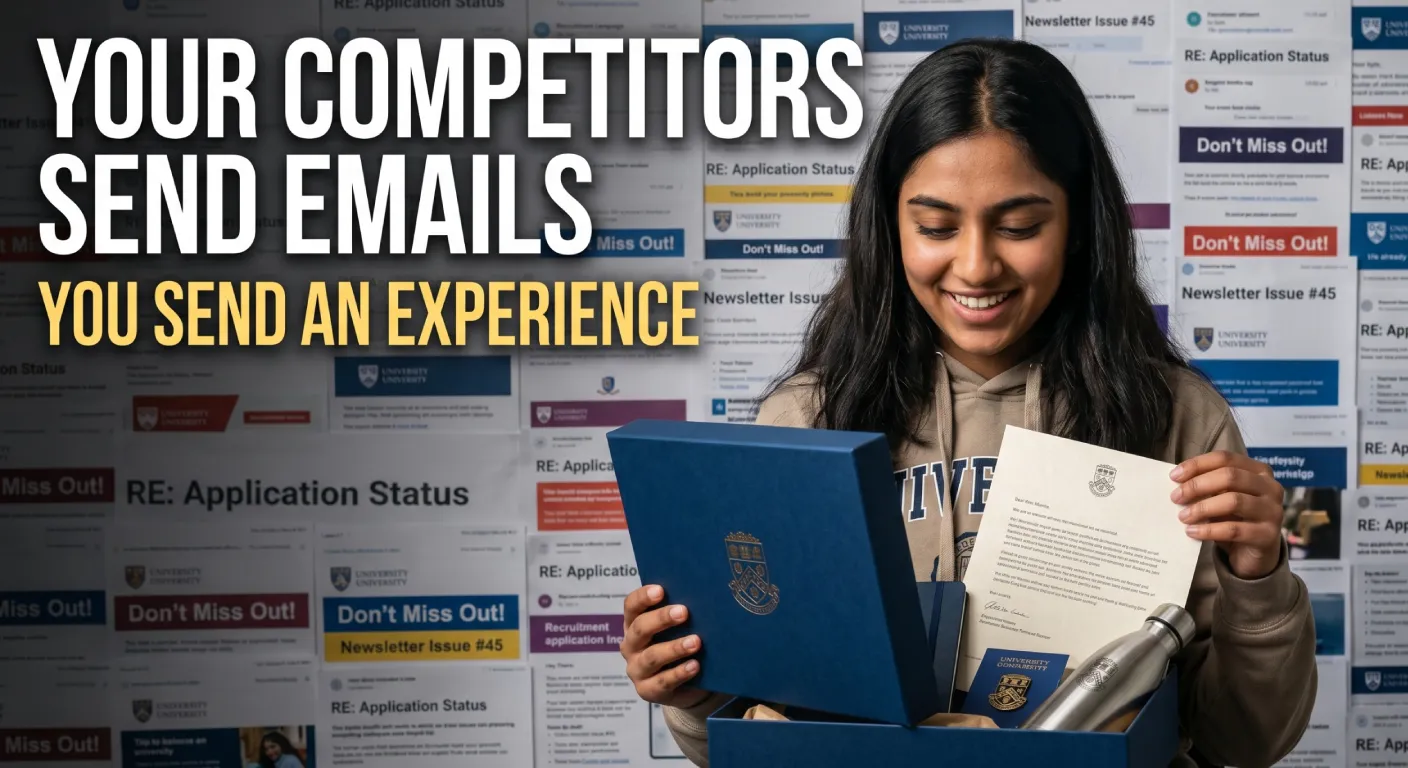
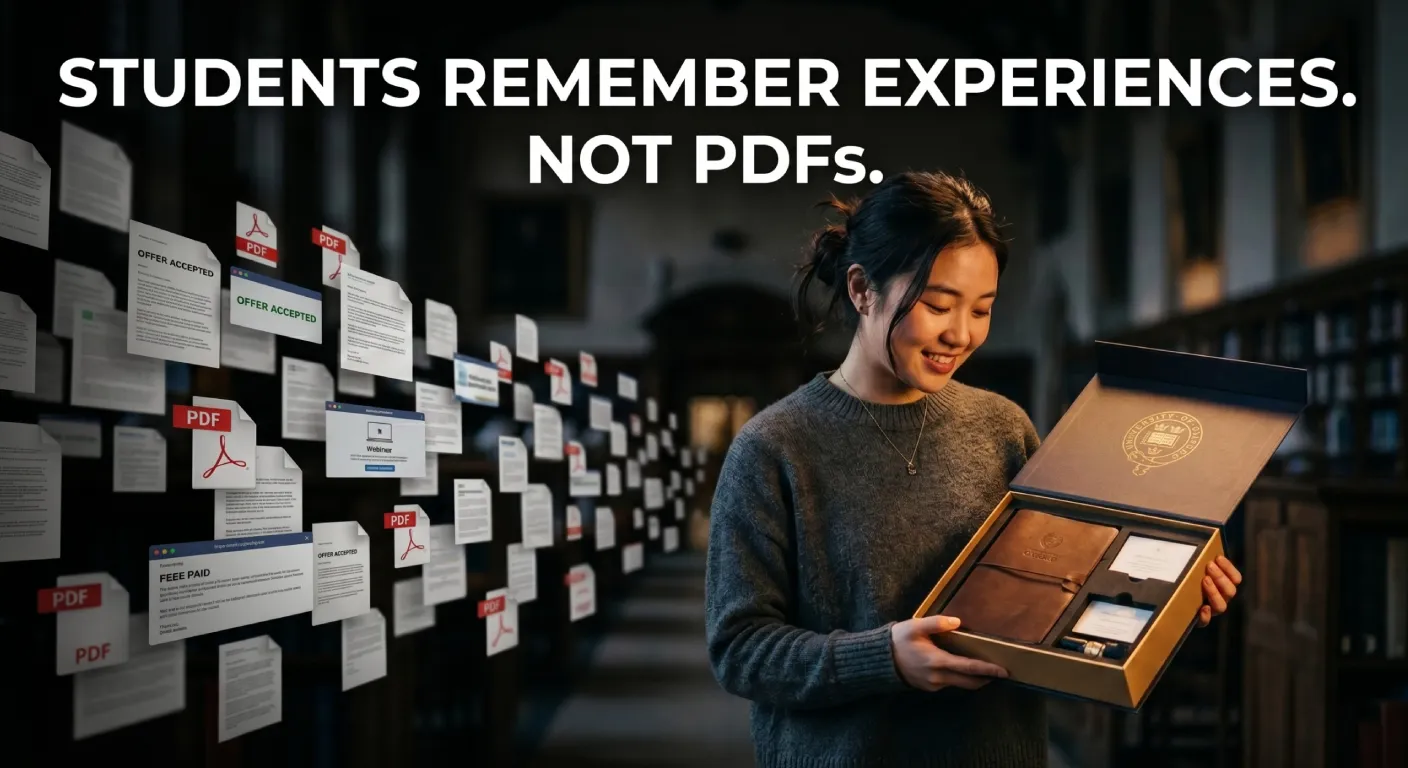
In hybrid and geographically distributed teams, where people can often feel isolated, gifting becomes a very human moment. A thoughtful package or a curated experience says something no email ever can: you matter.
But employee gifting today is not what it used to be. It has evolved into something far more meaningful, bright, and emotionally resonant.
Here are the trends shaping that evolution.
1. Sustainability: A Value Employees Want to See in Action
Sustainability is no longer an optional, nice-to-have attribute. It is something employees actively expect from the companies they work for. And gifting is one of the clearest ways to show that the organisation cares about the world its people live in.
Eco-conscious gifting includes choices like responsibly sourced products, minimal packaging, durable items, recycled materials, local crafts, and low-impact production.
When employees receive a sustainable gift, it communicates much more than appreciation. It says the company cares about the planet, not just the moment. This alignment between personal and workplace values strengthens employees’ emotional connection to their organisations.
2. Tech-Enabled Gifting: Smart, Relevant, and Modern
Technology has made gifting more interesting than ever. Employees appreciate simple tools that enhance daily life, such as wireless chargers, desk tech, smart hydration bottles, portable speakers, connected wellness tools, or compact projectors.
But the role of technology extends beyond products. Modern gifting involves digital messages, QR-linked appreciation videos, real-time shipment tracking, automated dispatch by country, and data-driven personalisation. In short, the entire experience becomes frictionless.
Innovative tools combined with smart fulfilment create a gifting journey that feels thoughtful from start to finish.
3. Functional Gifting: Practical Always Wins
A clear shift in employee preference is the desire for gifts they can use every day. Practical items are often the most appreciated.
This includes drinkware, well-designed laptop bags, travel pouches, desk organisers, apparel, minimal lifestyle accessories, or multi-purpose essentials. In an age where people want less clutter and more value, functional gifting feels more respectful of their lifestyle.
When a gift becomes part of a person’s daily routine, the company’s presence becomes a positive association that lasts much longer.
5. Family-Inclusive Gifting: Appreciating the Support System
Behind every strong performer is a family that offers encouragement and emotional support. Organisations are beginning to recognise this and are weaving that understanding into their gifting choices.
Family-inclusive gifts can include board games, gourmet food kits, lifestyle items that look great in shared spaces, wellness hampers, home organisers, or experience boxes. These gifts communicate something powerful. They acknowledge the unseen support that enables employees to do great work.
When family members appreciate the company, it deepens the employee’s pride and loyalty as well.
The Rise of Personalisation: The Real Differentiator
Personalisation has become the most crucial shift in employee appreciation. It transforms gifting from a task into a meaningful experience.
Personalisation does not always mean embroidery or name stamping. It simply means showing intention. This could be through a curated hamper that matches individual interests, a thoughtful note that reflects specific contributions, a product choice aligned to lifestyle, or packaging that mirrors the brand’s personality.
People love feeling seen. When a gift feels chosen for them rather than for a group, the emotional impact is significantly higher. The best gifting programs today balance personal relevance with large-scale execution to create thoughtful experiences for every individual.
The Future of Appreciation Is Human
The modern workplace constantly evolves, but one truth remains steady. People stay where they feel valued. Appreciation builds the emotional fabric of an organisation. Gifts do not replace culture, but they reinforce it. They remind employees that their contributions matter, not just in metrics but in meaningful moments.
Appreciation will always be a small act with a significant impact.
At Hue, we have been fortunate to partner with organisations that want to elevate how they appreciate their teams. Our work focuses on blending personalisation, brilliant execution, sustainability, functional design, tech-forward experiences, and global fulfilment in a way that feels effortless for HR and meaningful for every employee.
Our belief is simple. Appreciation should be easy. And it should always feel sincere.